
mediation process

How does the Mediation Process work and how many sessions will I need?

Posted Posted in Uncategorised

Mediation is a process to allow you and your (ex) partner to resolve financial arrangements and children arrangements arising from your separation and divorce.

FIRST STAGE IS THE INITIAL SEPARATE MEETINGS – MIAM

Prior to the joint mediation sessions starting each person must attend an individual meeting called a MEDIATION INFORMATION ASSESSMENT MEETING (MIAM). At this meeting you will discuss the background, the issues involved and ask any questions you have. The mediator will explain the process, its costs and make sure that mediation is suitable for them.

The initial meeting is done remotely by online video call and lasts 45 minutes.

If after that meeting you or your (ex) partner decides that they do not want to mediate or that it is deemed unsuitable then you can request a court from to confirm that you attended the initial MIAM meeting.

You need this form before you can make any application to the court.

If you both decide you want to mediate then this moves you to the SECOND STAGE of the process.


SECOND STAGE – JOINT MEDIATION MEETINGS

  1. FIRST JOINT MEDIATION MEETING

At the start of the first joint mediation meeting, the mediator will discuss the principles of mediation and outline the role of the participants and the mediator’s neutrality. Next, the mediator will discuss the ground rules for the mediation meeting.

Identification of the problem

The mediator will give each side the opportunity to tell their story uninterrupted. Most often, the person who requested the mediation session will go first. This is to give both clients an opportunity to frame issues in their own mind. The mediator will ask questions to get to the emotional undercurrents.

The mediator tries to find common goals between the parties. The mediator will figure out what the issues are and summarise these to the clients. An agenda will be prepared as to which issues will be dealt with first depending on the client’s needs.

Information Gathering

For financial arrangements, both parties must provide full financial disclosure to one another. This means that you will be asked to provide full financial information about all your assets and liabilities. This will help to figure out what is in the “pot” and what requires dividing.

You will be provided with full details of what information must be provided and a deadline for providing this information will be agreed.

AFTER 1st JOINT MEETING

You will provide your financial information and the Mediator helps with this disclosure process and prepares a written financial summary for the clients.

SECOND JOINT MEDIATION MEETING

Generating Options

The mediator will propose a brainstorming session to explore potential solutions. The goal of this stage of the mediation process is to find some common ground by exploring lots of options, and to bring about possible solutions for you to think about.

Resolution

The mediator has no authority to impose a decision, nothing will be decided unless both agree to it. You will be given legal information and guidance to help you.

Discussions can lead to a final understanding, which diffuses the conflict and provides a new basis for future relations.

AFTER AN AGREEMENT

The Mediator will provide a written summary of the discussions to each (it is called a Memorandum of Understanding) so that the legal court documents called a CONSENT ORDER can be prepared once they have received independent legal advice.

How many sessions will you need?

A Child Arrangements Mediation usually takes about 1-2 sessions of 1.5 hours each (excluding the MIAM).

A Finance and Property Mediation usually takes 2-3 sessions of 1.5 hours each (excluding the MIAM). A Mediator will ensure you receive, a schedule of assets and liabilities, a schedule of income and expenditure and a Memorandum of Understanding which details your personal information, brief case outline, finalised schedules, key points of negotiation and any agreements made.

For more information contact our accredited mediator.

Best wishes,

Mala


loss and grief

Loss and Grief affects your decisions – Let Mediation Help You

Posted Posted in Mediation, Uncategorised

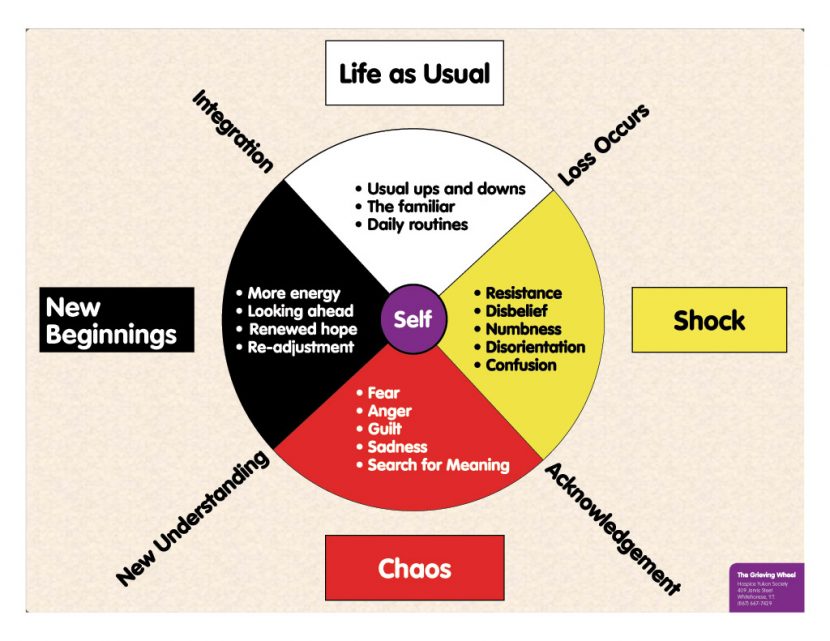
When faced with a crisis such as separation, people suffer loss and grief and struggle to cope. They may refuse to talk about the difficult issues that need to be sorted out. They may be in complete denial about the realities of their situation. It may be really hard to tell friends and family –as it makes it all real.

However bad the relationship, even if you ended it – there is loss and the stages of grief. People are so frightened of what else they will lose – children, home, money, security, even part of their identity.

Research has shown people do not make good decisions when they are upset. This is where mediators can help. Trying to do it alone is like trying to be your own surgeon – you cannot see the problems and you’re not a surgeon. Family mediators understand the situation and have helped thousands of people to sort things out and start re-building their lives.

It is not like counselling, it is very practical and future-focused. Good mediators listen hard – and support you both to make difficult decisions, working through all the options, and reality testing your plans.

Mediators are trained to help people going through different stages of grief that each one may be at.


loss and grief1. Denial

The first stage of grief is Denial. It is really the first of our reactions to any form of sudden loss. The extent of it depends on the relationship you shared and the more your life may be uprooted or altered. It is very common for people to try and initially deny the event in order to subconsciously avoid sadness, or the thought of pending mental struggles. People in denial often withdraw from their normal social behavior and become isolated.

In denial, a person may want to make the other wait, not face the choices, do nothing, hang on to their life as long as possible. Sometimes delay results in a lot of other problems that makes sorting things out eventually even harder.

Examples include children suffering avoidably, increases in family debt, mortgage default or serial rows over anything and everything – everything gets worse than it need have done.

2. Anger

The second stage of grief is Anger. People that are grieving often become upset with the person or situation which put them in their grief state. After all, their life could now be in complete disarray. Other times people become angry at themselves if they feel they could have done something more to stop the loss from happening.

Anger and blame can be overwhelming. Sorting things out can feel impossible – all suggestions for the future may elicit a categoric ‘No!’ Anger may make you fight, litigate to try to ‘win’ and this can cost more than it’s worth and then everyone loses.

3. Bargaining

The third stage of grief is Bargaining. This is when those who are grieving are reaching out to the other person to make the pain go away. It is actually very normal, and largely considered to be a sign that they are beginning to comprehend their situation. People will often try to make a deal, or promise to do anything, if the pain will be taken away.

4. Depression

The fourth stage of grief is Depression. Contrary to popular belief, depression is something that may take some time to develop. We often think we are depressed when a grief event first occurs, but there is usually a lot of shock and other emotions present before any real depression can set in. The signs of depression due to grief usually appear when a sense of finality is realised. This is not to be confused with clinical depression, which may be chronic.

5. Acceptance

The fifth stage of grief is Acceptance. This is the point where the person experiencing grief no longer is looking backward to try and recover the life they once had with their partner. It is not to say that they no longer feel the vast array of emotions brought on by their grief, but they are ready to embrace the idea that they are reaching a new point in there lives. At this point, they are beginning to understand that there is a new beginning on the horizon.

Each will have found a peaceful, serene place of acceptance of their new living situation and would be eager to collaborate on how to map out their co-parenting future, how to divide the assets, and how to provide for support for themselves and their children.

How can mediation help you?

A mediator has the opportunity to work with clients where they are at in the emotional grief process and tailor sessions to match the stage in which they find their clients.

Often clients in the grief cycle go to their lawyers, who are not trained to deal with the emotional grief cycle. So, clients may end up feeling very frustrated and misunderstood.

Mediation can be beneficial to parties no matter what stage of the grief process they occupy. All the mediator needs to do is use their training and experience to help the person with all of their fragility and begin the process of empowering them to find their way out.

If you are feeling any loss or grief and want to speak to our accredited mediator then tel: 07834 161 960 or contact us.

Best wishes,

Mala


FMCA Accredited Mediator, Solicitor, Collaborative lawyer, Therapist, Mentor/ Relationship Coach.

www.mediationline.co.uk

email: info@mediationline.co.uk

children as weapons

Using your Children as Weapons is child abuse

Posted Posted in Uncategorised

Some parents wage bitter battles using their children as weapons against one another. In these battles, one parent is attempting to obtain sole “custody” of the children while severely restricting the time spent by the children with the other parent. Under these circumstances you might be led to believe that the battle was being waged against someone who was alcohol and drug addicted and was abusive to the children. At least that would make some sense of the angry situation. However, in all too many cases there is no such addictive or abusive process going on. Rather, the motivation is fuelled by example an angry parent who may feel so hurt by the relationship ending that he or she is swept away by anger, rage and the desire to punish the former spouse.

Another scenario is when each of the parents places the children in the middle of their conflict by attempting to turn them against the other parent. They will do all they can to devalue and demonize the other parent in the eyes of the child. The wish is to win the child to their own side so that they will be permanently allied with them against the other.

These scenarios have tragic consequences for the children.

What are these tragic consequences?

First, children identify with each of their parents. If they are made to believe that one parent is evil they will come to believe that this is true of them, as well. How can it not be so? If that is my father or mother and I have been told that he or she is a bad person then it must be true of me as well since I am their child.

Second, it is common for children to misunderstand what is happening between alienated parents and to blame themselves for their troubles. They are also quick to believe that one or both parents are leaving home because the child, is not loved.

Here is a poem that makes this point simply and with shocking truth:

children as weapons

Children as Weapons

Now our marriage is spiralling,

spinning beyond our control

and we have wounded each other

lovelost, vowbroken, ringthrown,

first we used silence as weapons

then we used words and then fists

the arms race was swift and impressive

our hands are now empty, they twist

in the dust.

We have thrown

everything away but our anger

and still we have to keep fighting.

But there’s something we can do together:

let’s use the children as weapons,

let’s use the children as bait,

let’s keep each other’s memory

hated and naked and shamed

let’s use the children as infantry,

let’s use the children as spies,

let’s bring them up with the Director’s cut

with spin and with spite and with lies.

Let’s use the children as weapons

let’s use the children as snares

we’ll have plenty more years of reprisals

if we make our unhappiness theirs.

(This poem is by Clare Kirwan.)

If you are going through a divorce or your relationship is ending, as parents you owe it to your children to try mediation. Mediation helps with:

  • providing a less stressful way of dealing with sensitive matters;
  • improving communication and helping you to sort out future arrangements;
  • allowing arrangements to be reviewed and changed easier, so long as they are mutually agreed by both parties; and
  • providing a quicker and cheaper way of resolving disputes.

Call Mediation Line today on 07834 161960 or you may contact us for further information or help. If you like this article then please share it.

Best wishes,

Mala

About Mala

FMCA Accredited Mediator, Solicitor, Collaborative lawyer, Therapist, Mentor/ Relationship Coach.

www.mediationline.co.uk

email: info@mediationline.co.uk


obtain consent order

How to obtain a Consent Order?

Posted Posted in Mediation

How to obtain for a CONSENT ORDER at low cost?

Have you started your divorce and now asking how to obtain a Consent Order?

Or, you may even be thinking what is a Consent Order and why do you need it?

This 5-minute read will provide you with all the clarity of what to do and how to do it.

What is a consent order?

A consent order is legally binding financial order approved by the court that records what you have agreed in terms of sorting out the finances arising from your divorce.

The consent order needs to be written in specific legal wording for the judge to approve. This means you cannot just send your own written agreement to the court as it will be rejected.

It needs to deal with all the financial claims there may be, such as what is going to happen about a property, and/ or pensions and other assets that you may have. Are they going to be any income claims etc.

When do you need a consent order?

Many people start their divorce themselves online using the government portal. Its saves them having to pay a solicitor’s legal cost as the divorce process is relatively simple.

Next after waiting for the 20-week period, they apply for the conditional divorce order.

Once you have a conditional divorce order is when you need a consent order. It is only at that stage a judge can approve any agreement you have reached about the finances to make it legally binding.

Why do you need a consent order?

You need a consent order to make any agreement you have reached regarding your finances with your ex-partner legally binding. This provides you with the benefit of certainty.

Also, to make it enforceable should your ex-partner not carry out what they agreed to do.

It provides peace of mind.

In some cases, you need a consent order for dealing with property transactions to avoid paying stamp duty etc.

Some people think that if they are divorced and there are no finances to sort out, they do not need a consent order. However, many people do not realise that unless you have a consent order dismissing future financial claims between you and your ex-partner, then your ex-partner could come back several years later when you have got an inheritance, or some other windfall and still claim off you and the law could allow that!

That is why it is always best when ending your marriage to also have a consent order drawn up for peace of mind.

How can you obtain a Consent order?

Mediation Line can help you with this.

If you have not agreed your finances, then we can provide a low cost service to help you mediate together to come to an agreement. We then prepare the mediated agreement and the draft consent order.

Or, if you have a full agreement about your finances then we can help you make sure everything the court needs is covered and draft the mediated agreement and draft the consent order for you.

There are many organisations offering this service. You need to check they are reputable and offer an accredited person dealing with you. They are a regulated organisation to ensure their standards are high. Where you will be dealing with someone who is legally qualified.

At Mediation line we are a regulated organisation and an accredited member of the Family Mediation Council. With over 25 years of legal experience dealing with all aspects of finances.

If you are interested in finding out more about obtaining a consent order, then contact me.


pensions divorce

Pensions on Divorce – How important are they?

Posted Posted in Mediation

Divorce can be a confusing and distressing time. There are lots of things to think about, and pensions on divorce might be the last thing on your mind. But your pension(s) might be your most valuable assets. So it’s important to take them into account when deciding on how your money and property will be shared.

The options of dealing with pension on divorce  are:

Option What is it

Pensions offsetting

The value of any pensions is offset against other assets.

For example, one person might get a bigger share of the family home in return for the other keeping their pension.

This can offer a simple, clean break which doesn’t interfere with existing pensions.

Pensions sharing

All or a percentage share of person A’s pensions is transferred to person B.


It can be transferred into a pension in person B’s name (a new or existing pension) or person B might be able to join the scheme the pension has come from. The pension scheme rules will decide which method is allowed.

This means person B has full control over that share and can choose when and how to use it.

This option also offers a clean break, but bear in mind that you can’t share separate life cover and death benefits.

Here is a short video that explains what you need to consider:

If you have any questions, or want to book a mediation session, please contact me.

Best wishes,

Mala Mandalia
FMCA Accredited Mediator
Mediation Line

www.mediationline.co.uk
Email: info@mediationline.co.uk

Free family mediation help for helping you with your children arrangements

Free Family Mediation Help

Posted Posted in Mediation

Free Family Mediation Help is available for help with sorting out your children arrangements if you are separating. Or have separated but experiencing problems.

All meetings done at a time convenient to you and via online video call so you can do so in the comfort of your home.

Book your meeting today by contacting me.

Best wishes,

Mala Mandalia
FMCA Accredited Mediator
Mediation Line

www.mediationline.co.uk
Email: info@mediationline.co.uk

how mediation works

How Mediation works – a short video to watch

Posted Posted in Mediation

Want to know how mediation works?  Here is a short video (dramatised) about the process of Family Mediation with a particular focus on working with children.

Mediation helps support parents to focus on issues affecting the family as a whole.

It is free under the Family Mediation Voucher Scheme.I hope you enjoy the video. Please click here  

For any queries about how mediation can help you, contact me. or telephone 07834 161960

Mediation creates a win-win situation

Posted Posted in Mediation

Mediation allows you to create a fair win-win situation, whereas going through solicitors and using the court system will end up in tears for one party and massive costs all round. Save time, money and stress.

Like this picture shows at the top choose mediation to help you create a win-win situation, avoiding tears and unfairness.

win-win


I have helped many clients avoid going to court and incurring expensive solicitors fees. Being qualified as a lawyer and now a mediator, I can help you through all the pitfalls in the process. For more information about how mediation can help you, please contact me.

Best wishes,

Mala

Accredited Mediator


family mediation awareness week

Free MIAM Offer during National Family Mediation Awareness week

Posted Posted in Mediation

Mediation Line will be supporting National Family Mediation Awareness Week and will be offering FREE Mediation Information and Assessment Meetings (MIAM) during 21.1.19 to 25.1.19.

This campaign focuses on how separating or divorcing parents can amicably arrange their children and financial arrangements by using mediation.

Mediation is cheaper and quicker then using the courts and lawyers.

To claim your free MIAM meeting call during this time and mention this offer.

Best Wishes,

Mala