

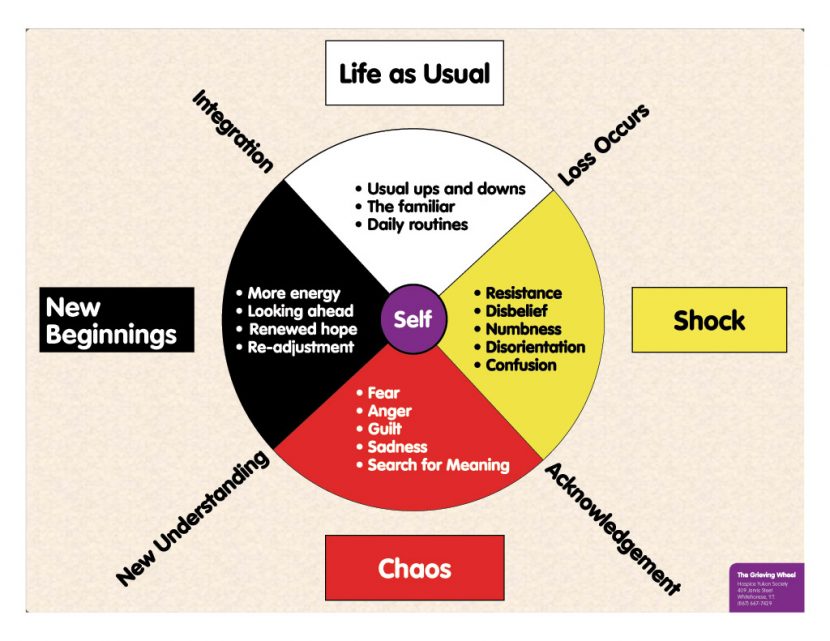
Loss and Grief affects your decisions – Let Mediation Help You
When faced with a crisis such as separation, people suffer loss and grief and struggle to cope. They may refuse to talk about the difficult issues that need to be sorted out. They may be in complete denial about the realities of their situation. It may be really hard to tell friends and family –as it makes it all real.
However bad the relationship, even if you ended it – there is loss and the stages of grief. People are so frightened of what else they will lose – children, home, money, security, even part of their identity.
Research has shown people do not make good decisions when they are upset. This is where mediators can help. Trying to do it alone is like trying to be your own surgeon – you cannot see the problems and you’re not a surgeon. Family mediators understand the situation and have helped thousands of people to sort things out and start re-building their lives.
It is not like counselling, it is very practical and future-focused. Good mediators listen hard – and support you both to make difficult decisions, working through all the options, and reality testing your plans.
Mediators are trained to help people going through different stages of grief that each one may be at.
 1. Denial
The first stage of grief is Denial. It is really the first of our reactions to any form of sudden loss. The extent of it depends on the relationship you shared and the more your life may be uprooted or altered. It is very common for people to try and initially deny the event in order to subconsciously avoid sadness, or the thought of pending mental struggles. People in denial often withdraw from their normal social behavior and become isolated.
In denial, a person may want to make the other wait, not face the choices, do nothing, hang on to their life as long as possible. Sometimes delay results in a lot of other problems that makes sorting things out eventually even harder.
Examples include children suffering avoidably, increases in family debt, mortgage default or serial rows over anything and everything – everything gets worse than it need have done.
2. Anger
The second stage of grief is Anger. People that are grieving often become upset with the person or situation which put them in their grief state. After all, their life could now be in complete disarray. Other times people become angry at themselves if they feel they could have done something more to stop the loss from happening.
Anger and blame can be overwhelming. Sorting things out can feel impossible – all suggestions for the future may elicit a categoric ‘No!’ Anger may make you fight, litigate to try to ‘win’ and this can cost more than it’s worth and then everyone loses.
3. Bargaining
The third stage of grief is Bargaining. This is when those who are grieving are reaching out to the other person to make the pain go away. It is actually very normal, and largely considered to be a sign that they are beginning to comprehend their situation. People will often try to make a deal, or promise to do anything, if the pain will be taken away.
4. Depression
The fourth stage of grief is Depression. Contrary to popular belief, depression is something that may take some time to develop. We often think we are depressed when a grief event first occurs, but there is usually a lot of shock and other emotions present before any real depression can set in. The signs of depression due to grief usually appear when a sense of finality is realised. This is not to be confused with clinical depression, which may be chronic.
5. Acceptance
The fifth stage of grief is Acceptance. This is the point where the person experiencing grief no longer is looking backward to try and recover the life they once had with their partner. It is not to say that they no longer feel the vast array of emotions brought on by their grief, but they are ready to embrace the idea that they are reaching a new point in there lives. At this point, they are beginning to understand that there is a new beginning on the horizon.
Each will have found a peaceful, serene place of acceptance of their new living situation and would be eager to collaborate on how to map out their co-parenting future, how to divide the assets, and how to provide for support for themselves and their children.
How can mediation help you?
A mediator has the opportunity to work with clients where they are at in the emotional grief process and tailor sessions to match the stage in which they find their clients.
Often clients in the grief cycle go to their lawyers, who are not trained to deal with the emotional grief cycle. So, clients may end up feeling very frustrated and misunderstood.
Mediation can be beneficial to parties no matter what stage of the grief process they occupy. All the mediator needs to do is use their training and experience to help the person with all of their fragility and begin the process of empowering them to find their way out.
If you are feeling any loss or grief and want to speak to our accredited mediator then tel: 07834 161 960 or contact us.
Best wishes,
Mala
FMCA Accredited Mediator, Solicitor, Collaborative lawyer, Therapist, Mentor/ Relationship Coach.
email: info@mediationline.co.uk